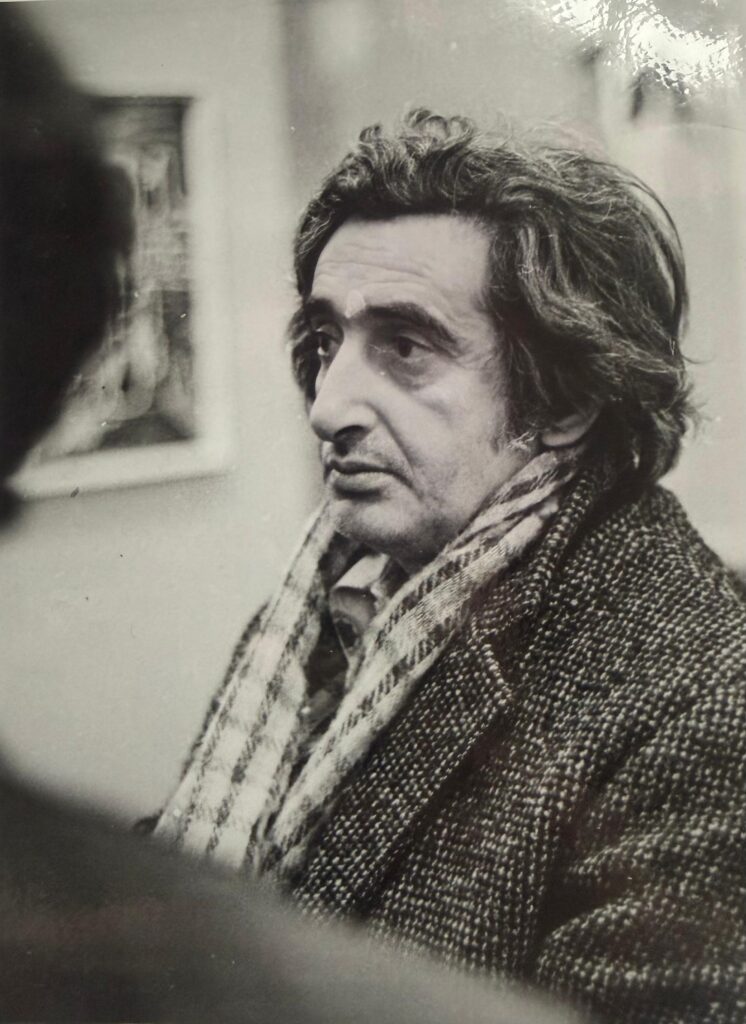
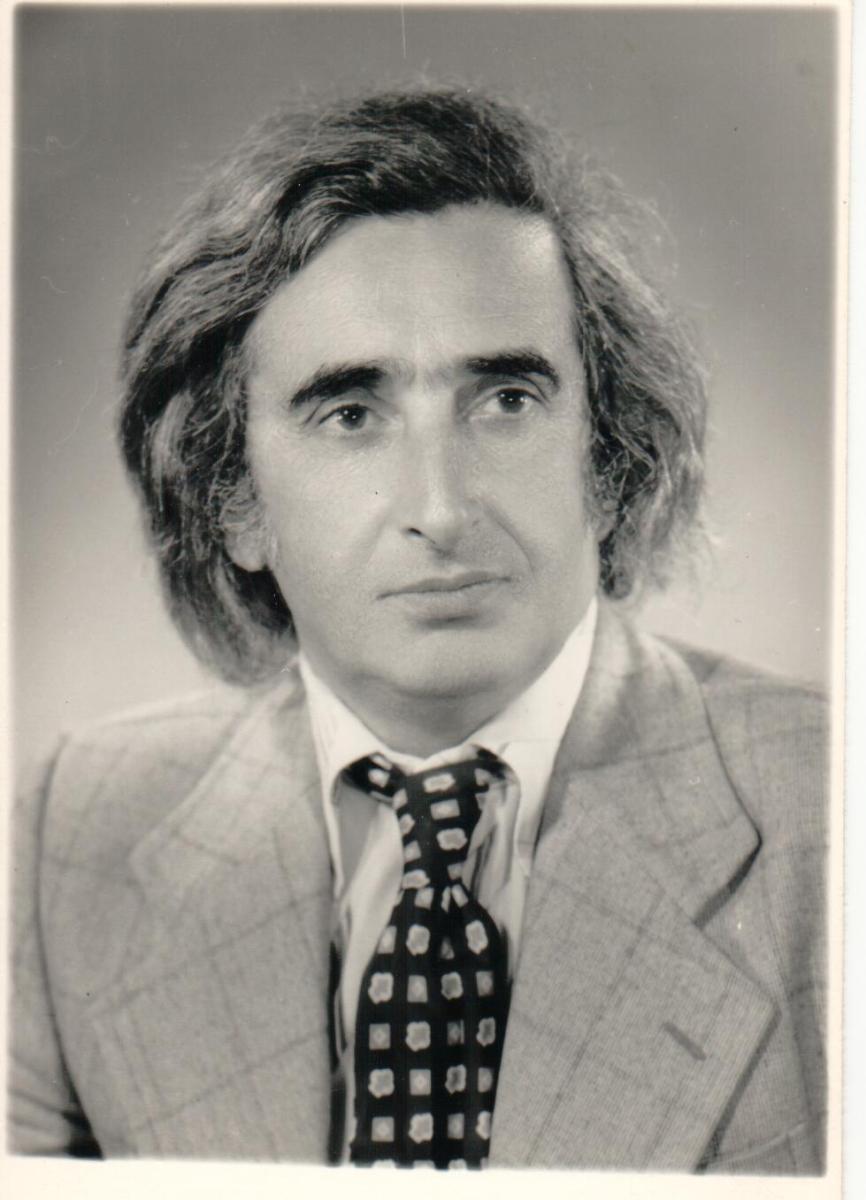
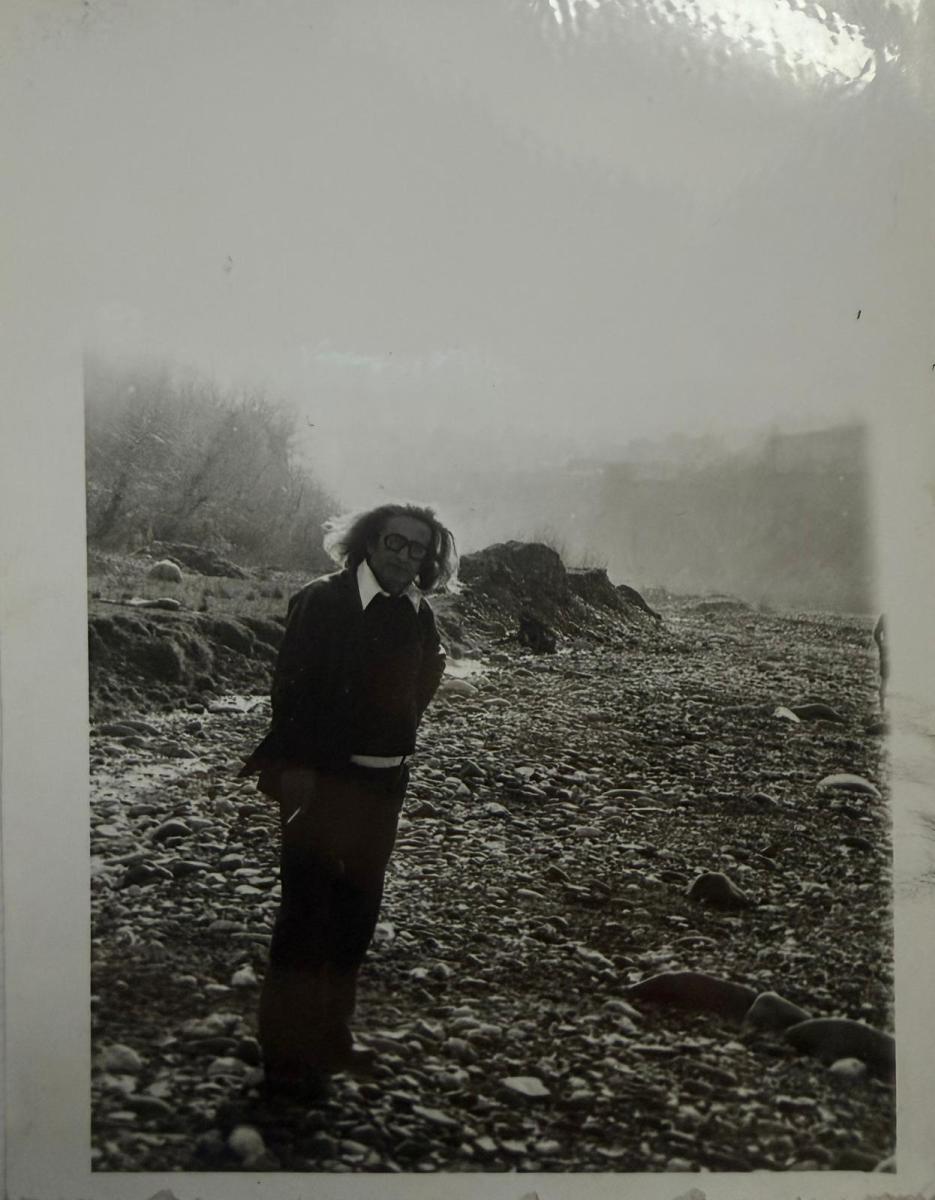
Talat Agalar oglu Shikhaliyev (1928–1987) was a preeminent Azerbaijani painter born in the Masalli district of the Azerbaijan Republic. After graduating in 1960 from the State Institute of Arts in Kyiv, Ukraine, he returned to Baku and, in 1964, became a member of the Artists’ Union of the USSR. He participated in numerous local, national, and international exhibitions throughout his career. His first solo exhibition was held in 1976 at the Gallery of the Artists’ Union of Azerbaijan. In 1980, he presented a solo exhibition in Moscow at the Central House of Artists exhibition complex on Krymsky Val.Further solo exhibitions dedicated to his work were held in 1993 and 2008 at the Gallery of the Artists’ Union of Azerbaijan, and in 2014 at the National Art Museum of Azerbaijan.
His works are included in major public and private collections in Azerbaijan, Turkey, Germany, and Russia, including the National Art Museum of Azerbaijan, the Ministry of Culture of Azerbaijan, and the State Tretyakov Gallery, as well as private collections worldwide.

During his short, but prolific career, Talat Shikhaliyev became one of the most powerful voices in the visual arts of Azerbaijan.His exceptional feel for color and mastery of form, resulted in a body of work that goes beyond formal expressions: these are paintings that act as psychological revelations.Inspired by Humanistic ideas and ideals, Talat Shikhaliyev’s paintings focus on shared human experiences that connect us on a most basic level. The motifs Talat is drawn to are both immediate and timeless: kids playing outside, a mother reading a book to her children, a napping girl, images that appeal to our empathy, our feeling of solidarity with fellow man, and images that enable us to examine our own humanity. This ability to convert optical impressions into psychological experiences was the essential goal of his creative process and bespeaks of the artist’s emotional sensitivity and intuitive understanding of sensory information.The intensity of his color, the energy of brushstroke and the texture of the pictorial field form a very distinct visual language deeply rooted in the traditions of oil painting.